
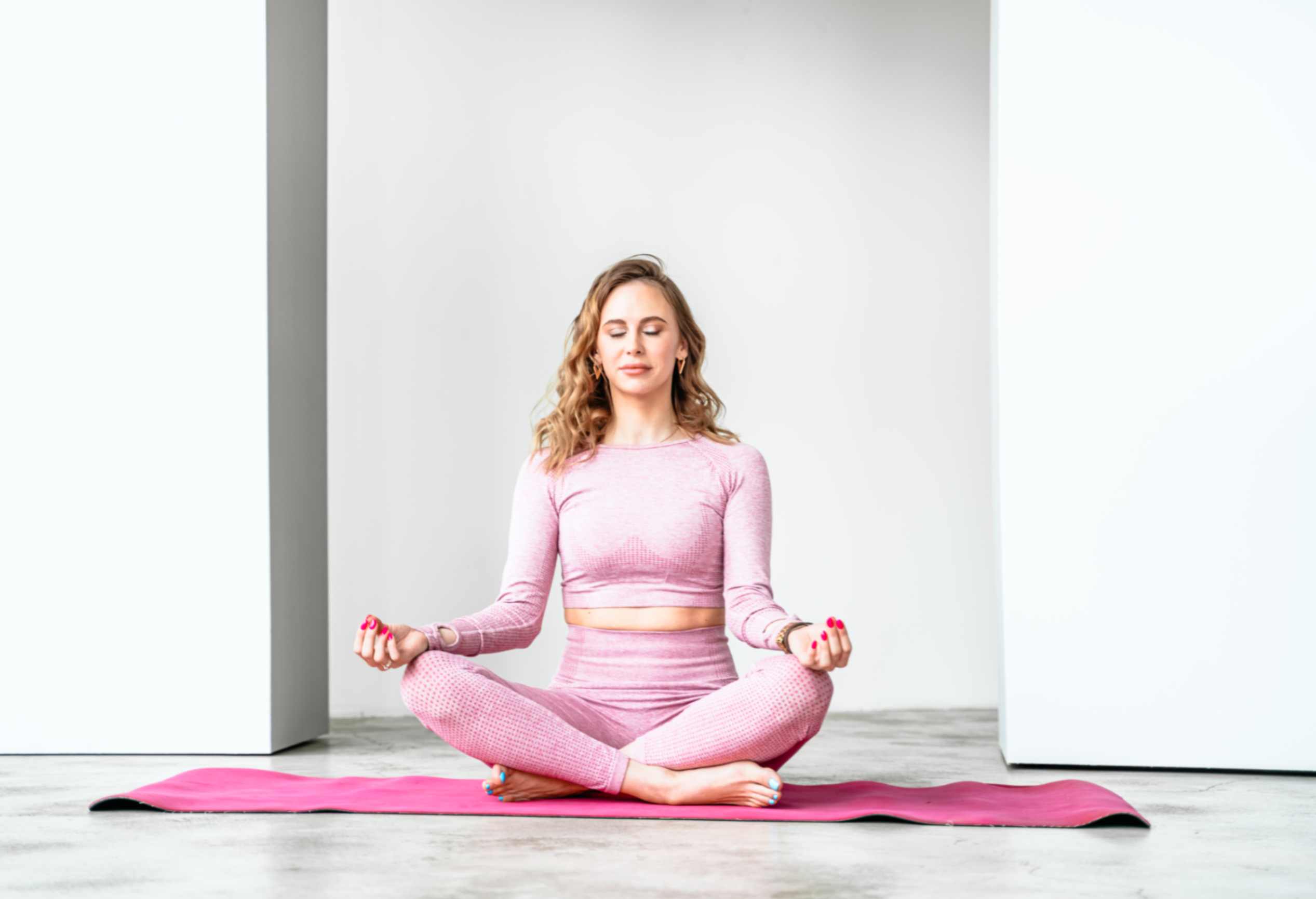
In a world where our minds are constantly racing and stress seems inescapable; more and more people are turning to ancient wellness practices to find calm. Among the most popular? Yoga and meditation. But when it comes to nurturing your mental wellbeing, which one truly delivers the most benefits?
In this blog, we’ll understand the differences, benefits, and help you decide which practice might suit your mental wellness journey best.
Yoga: Moving the Mind Through the Body
Yoga is often misunderstood as just stretching, but it’s far more than that. Rooted in ancient Indian philosophy, it blends physical postures, breathwork, and mental focus into a form of moving meditation.
Movement helps release physical and emotional tension, making yoga an excellent tool for mental wellbeing. It lowers cortisol (the body’s stress hormone), boosts endorphins, and improves sleep, posture, and self-esteem. Studies also show it can reduce symptoms of anxiety and depression, sharpen focus, support heart health, and assist in managing diabetes and chronic pain.
For those who struggle to sit still, yoga offers a more active approach to finding calm. It’s structured, grounding, and ideal for managing restlessness. While the benefits of yoga and meditation often overlap, yoga’s physical element makes it especially effective for relieving mental stress through motion.
Meditation: The Art of Inner Stillness
On the other side, meditation for mental health is backed by a growing body of science. Meditation teaches you to observe your thoughts without judgement. It trains your brain to slow down, let go, and be fully present.
Mindfulness meditation, in particular, has been shown to reduce anxiety, depression, and even symptoms of PTSD. It strengthens your emotional resilience and helps you respond rather than react to stress. And unlike yoga, it doesn’t require a mat or flexibility—just a quiet moment and your breath.
However, meditation can be challenging at first. Sitting in stillness can bring up uncomfortable thoughts, especially if your mind tends to overthink. But with regular practice, it builds an inner calm that carries into everyday life.
Yoga vs Meditation: Which Wins?
Truthfully? There’s no clear answer. When it comes to yoga vs meditation, the right choice depends on your personality, lifestyle, and mental health goals.
If you’re someone who finds peace through movement, yoga could be your ideal practice. If you’re looking for stillness and a deeper connection with your inner world, meditation might be the answer.
Combining both can be incredibly powerful. Yoga prepares the body and mind for meditation. After a flowing yoga session, slipping into a short meditation feels almost natural. The synergy between the two enhances focus, calms the nervous system, and boosts overall mental clarity.
Choosing Your Path to Mental Wellness
In the end, the yoga vs meditation comparison isn’t about which one is best—it’s about discovering what works best for you. Both offer deep, lasting benefits for your mental wellness in different yet complementary ways. The key is to adopt both with an open mind. Try a gentle yoga class. Sit quietly for a few minutes each morning. See how you feel.
Your mental wellbeing is personal. And whether you find peace through movement, stillness, or a mix of both, you’re already on the right path.