
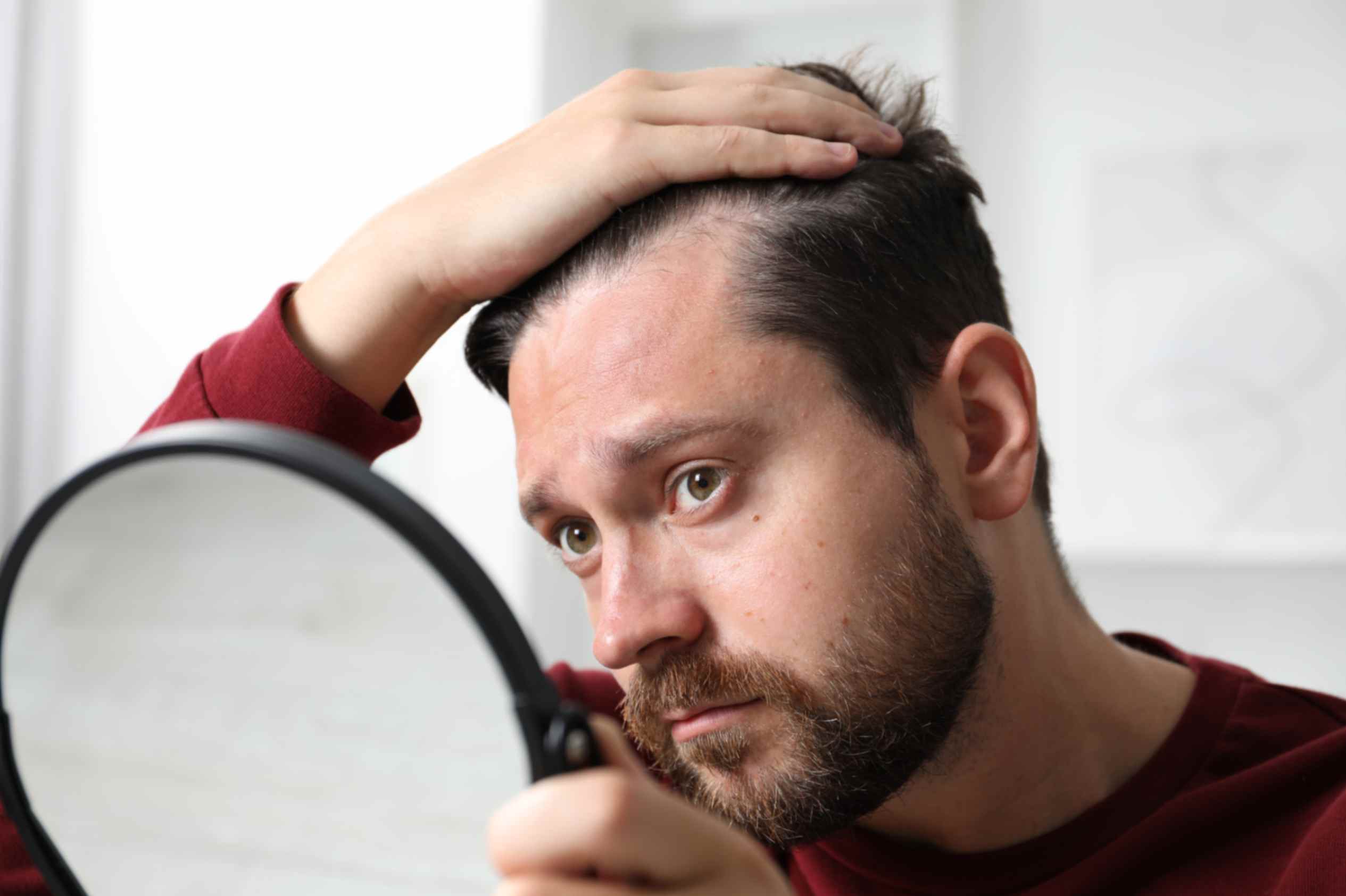
Hair loss affects both men and women, but the causes and patterns of hair thinning are often different. Understanding these differences can help find the right hair loss solution for each individual. In this article, we will explore the main reasons for hair loss in men and women and discuss effective treatments.
What is the Most Common Cause of Hair Loss in Men and Women?
Hair loss is a common concern for both men and women, often leading to frustration and a loss of confidence. Understanding the root cause is crucial for finding effective treatments. Here’s what you need to know about the primary culprits behind hair loss.
Hair Loss Causes in Men
The most common cause of hair loss in men is male pattern baldness (androgenetic alopecia). This condition is genetic and linked to dihydrotestosterone (DHT), a hormone that weakens hair follicles, leading to thinning hair and eventual baldness. It usually starts with a receding hairline and thinning at the crown.
Other causes of hair loss in men include:
- Stress
- Poor diet
- Certain medical conditions
- Side effects of medication
Hair Loss Causes in Women
Hair loss in women is also often due to female pattern baldness (androgenetic alopecia). However, instead of a receding hairline, women usually experience overall thinning, particularly around the parting. Hormonal changes, such as pregnancy or menopause, often trigger hair loss causes in women.
Other factors include:
- Iron deficiency
- Thyroid problems
- Polycystic ovary syndrome (PCOS)
- Stress and lifestyle changes
Hair Loss Treatment for Men
Men have several treatment options to slow down hair loss and promote regrowth. Popular hair loss treatments for men include:
- Caffeine-based shampoos: Caffeine helps stimulate hair growth by improving blood circulation to the scalp. Alpecin Tuning Shampoo is a great choice for men looking to strengthen their hair while keeping their natural shade.
- Medications: Minoxidil and Finasteride are common treatments that help slow hair loss and, in some cases, encourage regrowth.
- Hair transplants: In advanced cases, hair transplantation is an option, though it can be expensive.
Hair Loss Treatment for Women
Women require different treatments due to hormonal influences on hair loss. Some effective hair loss treatments for women include:
- Caffeine-based hair tonics: Products like Dr. Wolff Plantur 39 Phyto-Caffeine Tonic help strengthen hair and prevent thinning, especially for women over 40.
- Iron and nutrient supplements: If hair loss is due to deficiencies, iron or biotin supplements can help.
- Topical treatments: Minoxidil is also effective for women experiencing hair thinning.
- Hormone therapy: If hair loss is linked to menopause, hormone therapy may be an option.
Conclusion
While male vs. female hair loss has different causes and patterns, there are effective treatments available for both. Whether through hair loss solutions like caffeine-based products, medications, or lifestyle changes, addressing the root cause is key to maintaining healthy hair. If hair loss persists, consulting a doctor or specialist is always a good idea.